1 Oct 2026
When it comes to fashion, Laura Weir definitely knows what she’s talking about: She took on the role of CEO of British Fashion Council in April 2025, bringing more than two decades of experience across fashion, media, and retail. Since then, Laura has been working closely with designers and the wider industry to support British fashion and its creative community.
We caught up with her to talk about her first year at the BFC, that is a member of the European Fashion Alliance just like Fashion Council Germany is, the opportunities and challenges facing young designers today, how fashion weeks are evolving, and why collaboration, both within the UK and across Europe, matters more than ever.
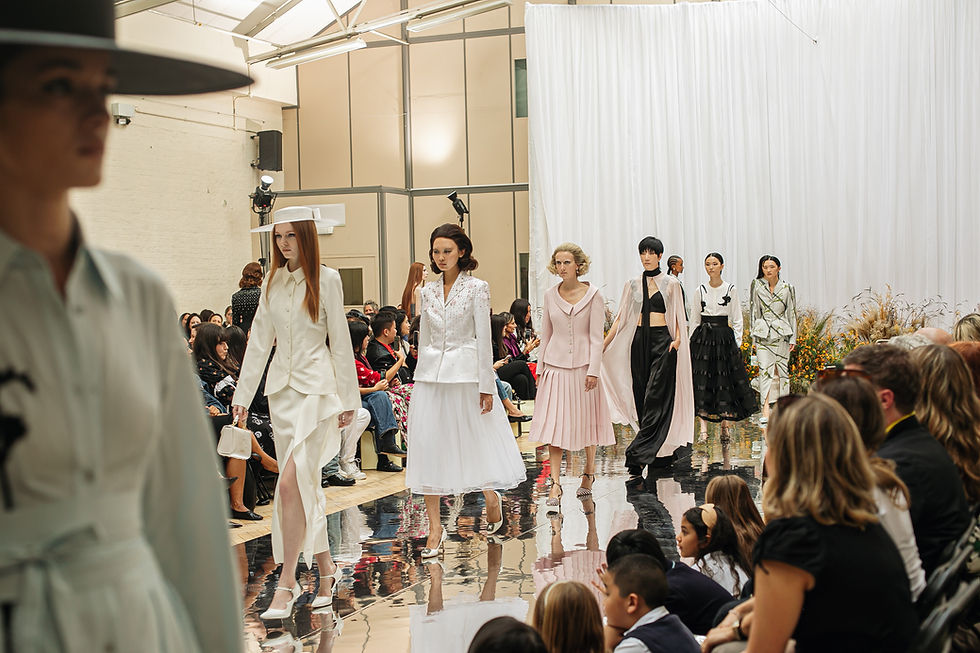
Laura, what does European fashion mean to you?
European fashion represents the best of luxury, heritage, creativity, and innovation, showcasing and expressing the incredible industry that fashion is. I love how Europe offers so many varied perspectives, with so many unique and individual cultures. They all come together around a common goal of creativity. I love the variety, but also the alliance. I think it’s a really powerful expression of unification, but also of individuality.
What is currently keeping you most busy at the British Fashion Council?
We’re in a stage of transformation. We have a four-year plan that we’re motoring towards, and time goes very quickly. We recently hosted London Fashion Week, followed by our annual fundraiser, the Fashion Awards at the Royal Albert Hall, which is the biggest fashion fundraiser in the world. So we’re putting on these two incredibly large and meaningful events for our community, while also being in year one of delivering that four-year plan. There’s never a quiet moment—but I wouldn’t have it any other way.
You’ve seen the fashion industry from many different angles—through media, retail, and now leading the British Fashion Council. What’s the best advice you’d give designers today, whether they’re starting out or already established?
My advice would be to choose your pathway and your practice. If you’re a creative practitioner and you don’t want to have a business, that is brilliant. You must remain a creative practitioner and use your creative talents to express the ideas that you want to share with the world. If you do want to build a business around those ideas, my advice would be to ensure your business acumen is as finely honed as your creative practice. When I was 24—I’m 44 now—the world didn’t feel as commercial or as business-oriented, particularly in the UK. It was much more about creativity for the sake of creativity, in the most positive way.
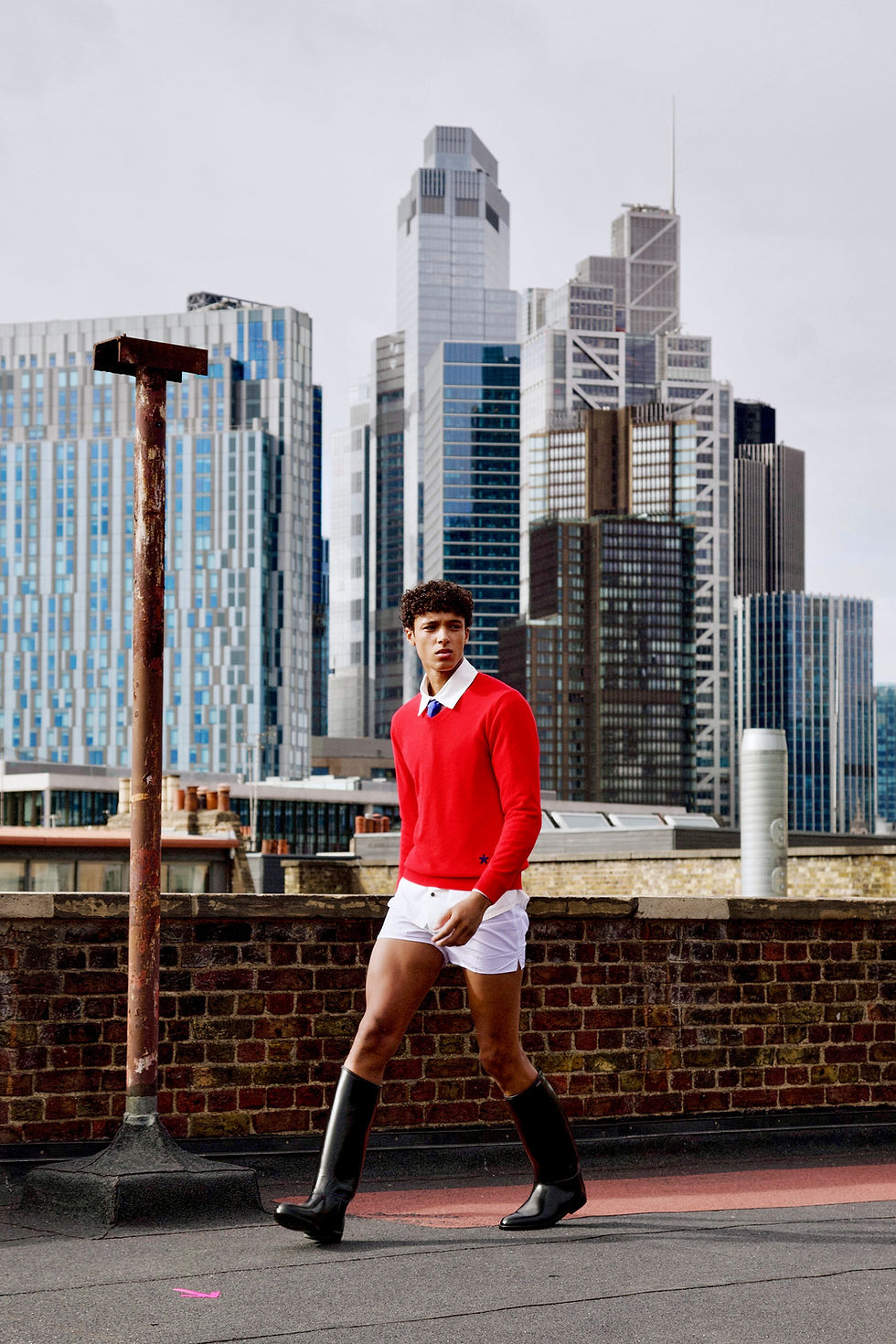
And that changed?
Now, with the opportunity to own your content, own your brand, and have platforms at your disposal, there’s greater control for individuals to build their own businesses. But it’s really important to have business acumen at the heart of that. What we’re trying to do at British Fashion Council is offer—not force—opportunities for mentoring and upskilling, so creative practitioners who do want to start a business are able to do that successfully. It’s also really important to recognise that not everyone wants to start a business, and that is totally viable and totally valuable.
Young designers face a lot of challenges today though. In your view, what do they need most right now to succeed: funding, mentorship, production support, or something else?
I think it’s a combination of all of those things, but at the right stages. One of the best things to have at the beginning of your journey is a mentor—someone who has done it and failed. Of course, it’s always great to have someone who has succeeded, but if you can have someone who has failed and recognises why and how, your shortcut to experience and learning is much faster. Then, over time, I think it’s funding—but you need to be really mindful about when you take that funding and whether you have the capability and experience to manage it. I’ve seen examples of designers who have received funding, but it tipped them over the edge. Administration, accounting processes, cash flow, and the allocation of resources are challenges in themselves. That’s why programmes such as those offered by fashion councils are important. When designers apply for awards, scholarships, bursaries, prizes, and programmes, they can receive funding alongside advice on how to spend it. At British Fashion Council, we also offer accountancy support and pro bono legal support. We’re trying to build an ecosystem around designers so they can learn and feel supported as they move through their career journeys.
London Fashion Week has always been known for creativity and innovation. What role does the traditional Fashion Week format still play today?
I think the role of the traditional format is really important because it’s a convener. More than ever, we want those moments of connection with one another. There’s something truly beautiful about being in a space that has been held and created by a creative who has ideas to share with us. It’s a real honour and privilege to sit, by invitation, and watch someone’s self-expression. I never take that for granted. I think it’s our duty to continue to convene people in those spaces. It’s really good for us as human beings to be together, so that format remains valuable.

And how do you see London Fashion Week evolving in the coming years?
In terms of evolution, we’re beginning to see more formats. We’re seeing growth in presentations and formats that aren’t always about a runway, catwalk, and models. There are static presentations, and one designer this season is creating something that sounds almost like a lecture—standing and talking through the collection with the audience, explaining the fabrication, techniques, and creative journey. That helps with the narrative and helps people understand the value of what is being created. There are many ways to do it. Tolu Coker, for example, creates really immersive worlds for us to observe and be part of. Two seasons ago, she created a short film and projected it in a beautiful space at 180 The Strand. It became a real moment of repose during the week. Buyers, press, and members of Tolu’s community could connect, eat beautiful food, and watch this incredible short film starring Naomi Campbell. So, for me, the evolution is about designers playing and experimenting with formats and feeling like they’re in greater control of how they want to show up. I’m really excited to hold the space for that.
We’re seeing more and more crossover between fashion, beauty, and lifestyle as well. Do you think that’s where the industry is heading?
Absolutely. I think the root of all success is collaboration and partnership. When you look at what makes creative expression and what makes a compelling creative story, it’s all the elements coming together to express that idea in its fullest sense. That has always been achieved through deep collaboration—with hair, makeup, nails, accessories, and the person wearing the clothes. All of those things should be taken seriously and highly valued. Collaboration is also particularly important when things are challenging. For most of us in Europe and the UK, the markets can be pretty tough. When you look at coming together, there’s this lovely idea of solidarity, but also of sharing—knowledge sharing, contact sharing, and always taking people with you in your success. Philosophically, it’s the right time for more collaboration, and socially it feels prescient as well. It’s building on the many years that have gone before, but perhaps we haven’t celebrated it enough.
Is there a collaboration from recent years that has particularly stayed with you?
At the Fashion Awards last year, for example, we launched the Costume Design Award for film. The winner went on to win a BAFTA and then an Oscar. We did that because we wanted to champion the work happening in another creative sector. We see fashion as an enabler for the arts, music, film, and theatre. We also have an award for a creative practitioner who doesn’t necessarily have to be a fashion designer. It could be a photographer or a hair and makeup artist. When you have big platforms like the Fashion Awards, it’s really important to use them to platform other industries as well.

The British Fashion Council is an active member of the European Fashion Alliance. What does that partnership mean to you, and how does it strengthen the fashion industry across Europe?
It’s really important. It comes back to those values of collaboration and partnership. We are more powerful when we are together. No matter which country you’re in, fashion will always have the challenge of being taken seriously. We are a vital global industry that makes a significant economic contribution. It’s really important that we show up as a united front when it comes to government conversations and engaging our communities and the public in our mission to promote, support, and defend fashion. At the British Fashion Council, our role is to promote, support, and defend British fashion, but I see that as the role of all of us together within the European Fashion Alliance. It’s a really important partnership—and particularly important for us in the UK post-Brexit.
Looking ahead, what would you love to see the European Fashion Alliance achieve over the next few years?
I would love to see the European Fashion Alliance become an even stronger collective voice for the European fashion ecosystem, recognising that Europe’s strength lies in the diversity of its creative communities, markets, and cultural identities, but also in what we can achieve when we work together. For me, the opportunity is to move beyond simply sharing knowledge and best practice and to create tangible opportunities for designers and businesses across Europe—making it easier to access markets, talent, investment, and new audiences, while championing the cultural and economic value of fashion at a European level.
Are there any emerging British designers you’re particularly excited about at the moment—people we should definitely keep an eye on across Europe?
I’m particularly excited about the current BFC NEWGEN cohort. There’s such a breadth of talent and so many distinctive creative voices coming through, including Francesca Lake, Gui Rosa, and Petra Fagerström, who are new to the programme this year. I’d definitely encourage people to keep an eye on the whole cohort. They represent the creativity, experimentation, and individuality that make London such an exciting place for fashion.
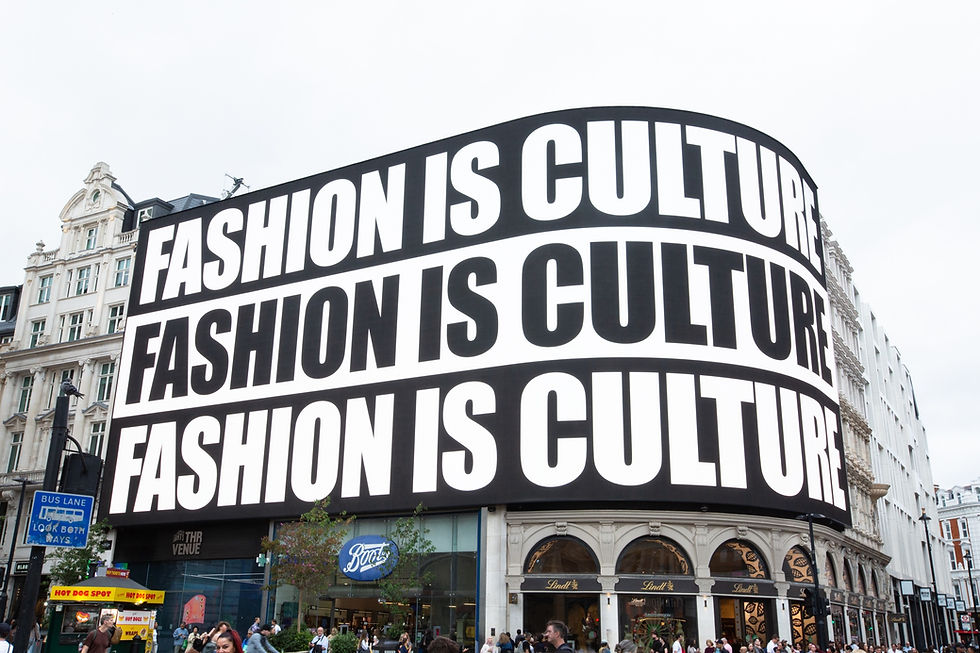
Germany remains one of the key markets in Europe. How important is it for British designers today, and where do you see the biggest opportunities for collaboration and growth?
Germany remains one of the most important, yes. CEO Scott Lipinski and the team at Fashion Council Germany do an incredible job. Personally, I love Germany. I have family living in Berlin, and I’ve spent a lot of time in Berlin, Munich, and Düsseldorf throughout my career. I have a great affection for Germany and the German people, who I find incredibly welcoming and friendly. There are a number of things I think Germany does particularly well.
For example?
Firstly, I really respect the way the industry is taken seriously. There’s an impressive understanding of the value fashion brings to the German economy. When I’m with the British government, it’s an example I cite because, for me, it represents best practice. Secondly, I really like the way Scott and the team run Berlin Fashion Week. The city has a really unique identity and, much like London, it is a place for emerging talent. Thirdly, Germany is really a home of creativity, ideas, and inspiration. That’s where I feel such an affinity with London. Both of our cities are places people go to research, explore, and discover new ideas and creative practitioners. To be the progenitor of ideas means you have great creative and cultural capital, and I think Germany recognises that and respects it in the right way. Interview: Clare Langhammer
AUTHOR
Clare Langhammer
CONTACT PERSON
Manuel Almeida Vergara
REQUEST INFO
MEMBERS
